
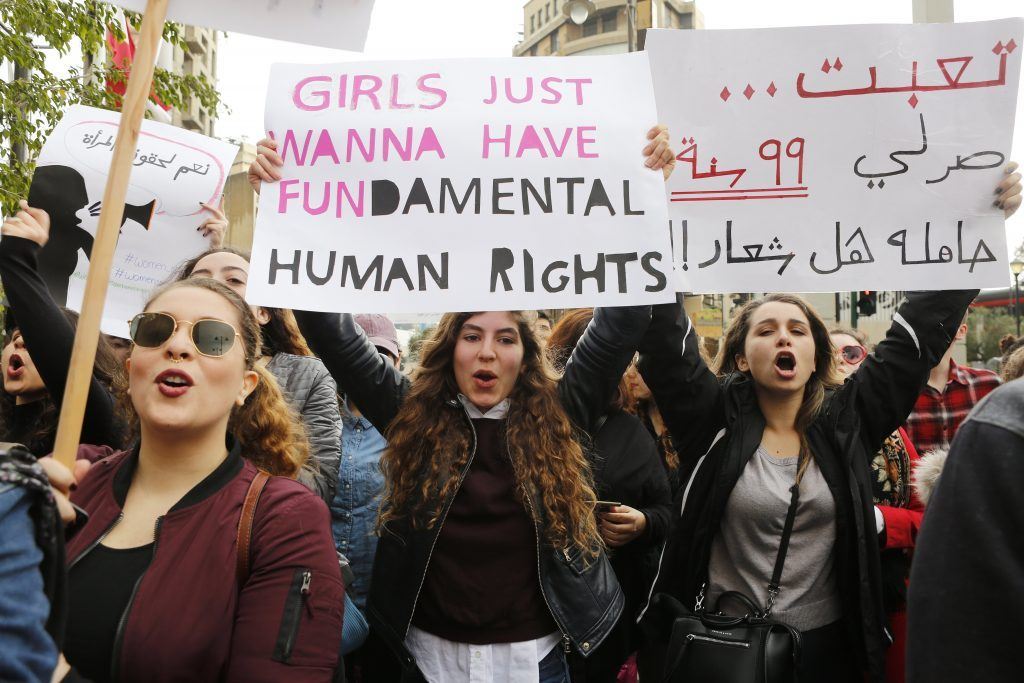
Women in Lebanon, according to the World Report 2019, are subjected to discrimination under 15 separate religion-based personal status laws. Also, both child marriage and marital rape are, today, legal in the country. Everyday Lebanese women and girls are subjected to physical and mental discrimination, but not only, discrimination also includes inequality in access to divorce, child custody, and property right.
As a woman myself, I was shocked finding out that women rights in Lebanon are basically non-existing. And as an architecture student I started thinking about how, making use of the skills I learned during my study, I could contribute in a positive way to help women in Lebanon.
Researching how to help women and girls in Lebanon, I found a Lebanese non-governmental organization, the ABAAD – Resource Centre for Gender Equality, supported by the UNHCR (the UN Refugee Agency) and other organizations. The organization opened three Al-Dar Emergency Midway Houses (MWH), these serve as temporary shelters for abused women and girls, and also provide medical services, psychosocial and legal assistance, vocational training, and language classes.
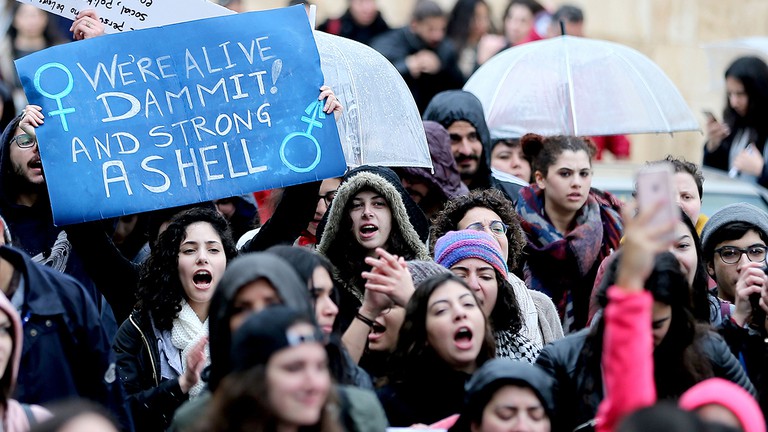
During my study, besides learning to become and architect, I learned how to interact with different types of people, improved my communication and team-working skills, and I also improved two of the languages I speak: Dutch and English. I could wisely use these skills to help building new shelters in Lebanon and teach, for example, the languages I know.
So, to sum up, architecture and the skills it requires would constitute a meaningful international engagement in Lebanon by providing shelters and safe places for any abused person, women and men, and it would contribute to the education of the people. I hope that one day, when I will be an architect, I will be able to travel to countries like Lebanon, where human rights are almost non-existing, and be able to give help to people who suffer this injustice.
 Didi's voyages